


Cart ::
Your shopping cart is empty!
It's never too late to make things right :)
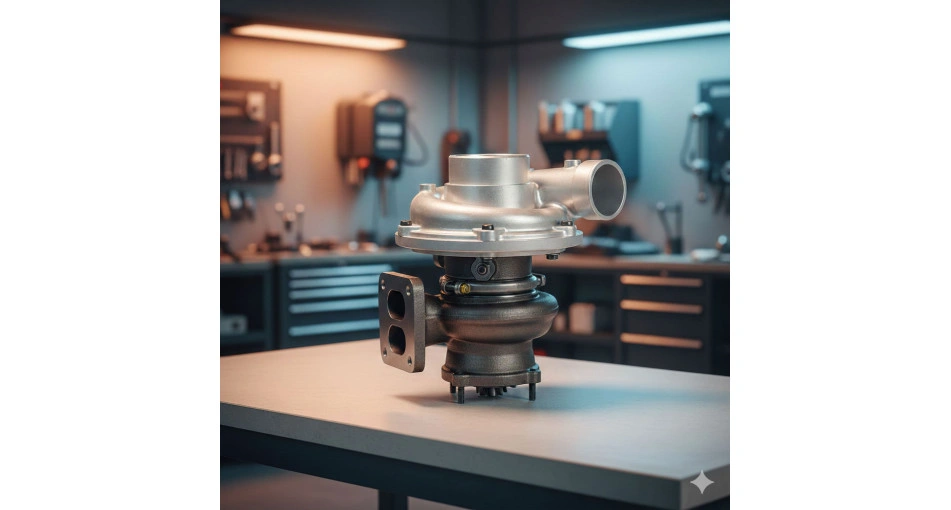
A turbocharger is one of the most heavily loaded engine components. Its service life depends not only on the quality of the turbocharger itself, but also on proper installation, engine condition, and adherence to operating conditions. Most premature turbocharger failures are not related to manufacturing defects, but to installation errors or undetected malfunctions in related systems.
In this article you will find:
Before installing a new turbocharger, it is essential to identify the cause of the old one's failure. If this is not done, the new turbocharger will fail very quickly.
Important: if the old turbocharger had severe bearing wear, oil pressure at the turbocharger inlet must be measured.
The use of sealant when installing a turbocharger is strictly prohibited!
Sealant can enter the oil passages and cause oil starvation of the turbocharger, leading to immediate failure.
Proper turbocharger installation is not just "fit and go". It is a set of procedures that ensure long service life.
Important: If a major engine overhaul was performed, the oil and oil filter must be replaced again after 100 engine hours.
Pay attention to the following signs:
These symptoms indicate problems with bearings, seals, oil supply, or system tightness.
IMPORTANT: It is not recommended to install a new turbocharger immediately after a major engine overhaul due to the risk of abrasive wear from metal dust.
To ensure long turbocharger service life:
These simple rules significantly extend turbocharger service life.
Proper turbocharger installation, system cleaning, engine diagnostics, and adherence to operating conditions are the keys to long and trouble-free turbocharger operation. Most malfunctions occur precisely due to violations of installation procedures.
If you need a quality turbocharger, selection consultation, or a set of gaskets and fittings, contact us and we will suggest the optimal solution for your equipment.
Aspect Plus specializes in supplying turbochargers for excavators, backhoe loaders, wheel loaders, and other heavy equipment from brands such as JCB, Caterpillar (CAT), Komatsu, Volvo, Hitachi, Doosan, Hyundai, Case, New Holland, Liebherr, Bobcat, Kobelco, Sumitomo, John Deere, and others.
Our range includes original and quality alternative turbochargers selected for specific engine models, with warranty and technical support.
We help not just to buy a turbocharger, but to select the right solution for your equipment so it operates at full capacity without premature failures.
If you have any questions about selection or turbocharger operation, contact us!